

NEW WORLD SCREWWORM
Go Behind the Scenes
Inside NWS Inspections: A Veterinarian’s Perspective
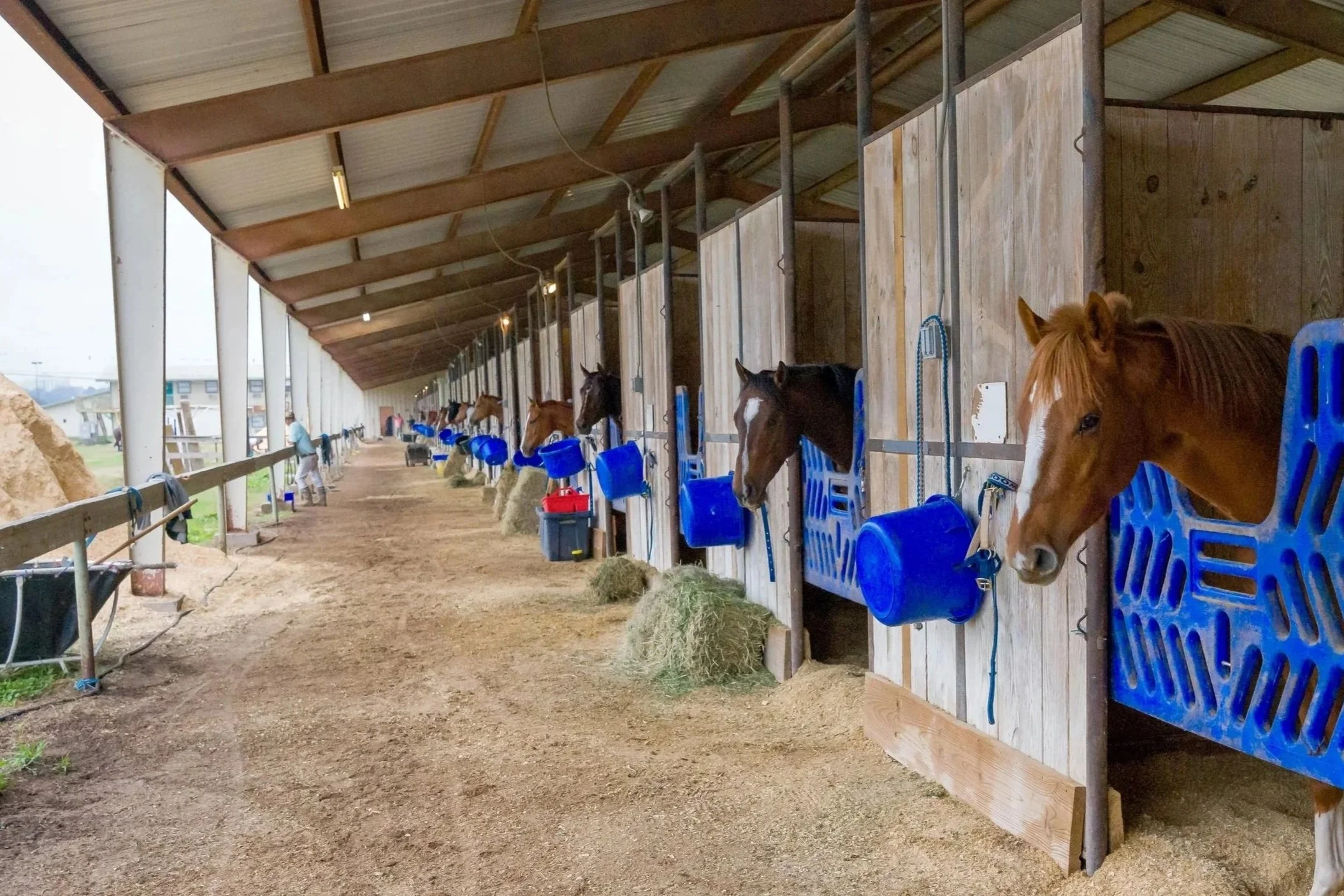
See how Texas Racing Commission Veterinarians are working to detect, prevent, and respond to New World Screwworm at Texas Racetracks.
Know the Threat
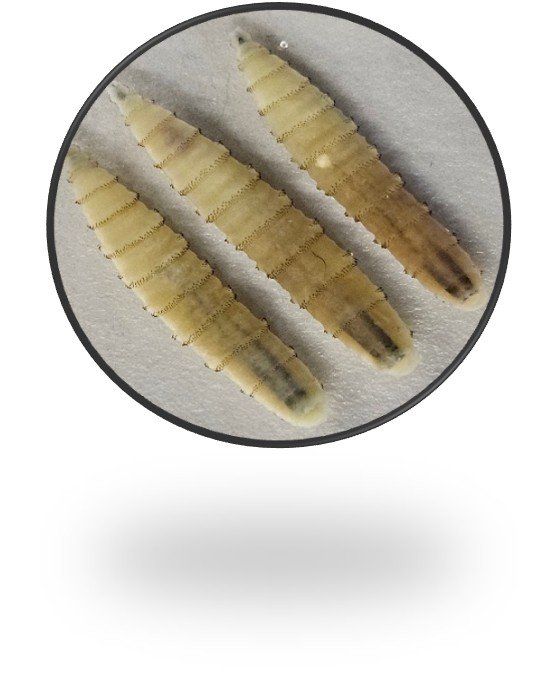
Closeup of three New World Screwworm larvae (maggots)
Source: Sohath Yusseff-Vanegas, USDA Agricultural Research Service
NWS Information & Resources
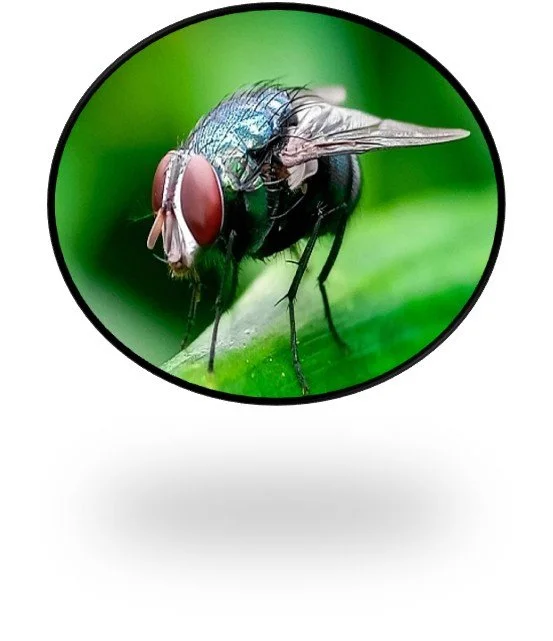
Adult New World Screwworm Fly
Source: USDA-APHIS
-
New World screwworms (NWS) are parasitic flies (Cochliomyia hominivorax) that lay eggs in open wounds, genitalia or mucous membranes such as the nostrils, eyes or mouths of live warm-blooded animals.
These eggs hatch into parasitic larvae (maggots) that only feed on living tissue, unlike other fly larvae that prefer dead or necrotic tissue. NWS larvae burrow or “screw” into living tissue with sharp mouth hooks, giving them a screw-like appearance. Infested wounds quickly become infected and, if left untreated, will kill infested animals.
Common Areas of Infestation:
· Newborn animals’ umbilical stump/navel
· Mucous membranes- genitalia, eyes, nose, mouth
· Wounds- cuts, scrapes, tick bites
· Other Areas- castration, branding
What an NWS Infestation Might Look Like:
· Open wounds or sores with live maggots
· Visible irritation/shaking heads
· Foul, rotted flesh odor
-
“The most effective thing you can do is have eyes on your animal.”
Monitor:
· Check for flies, maggots, larvae, or eggs.
· Check for foul smells or drainage in and around body openings.
Isolate:
· Animals with suspicious wounds or signs should not be moved from the current location Avoid moving animals from a pasture or premises, only pen or corral to prevent further spread Keep suspect animals in one area while you wait for collection to occur.
-
If you see live animals with maggots, report immediately. Early detection is imperative. Do not delay if you suspect an NWS infestation. Reporting is crucial to managing and eradicating an NWS infestation.
Livestock or Exotic Species
Texas Animal Health Commission
Contact a local TAHC Region Office:
Amarillo (806) 641-7000
Beeville (361) 358-3234
Giddings (979) 212-5440
Laredo (956) 568-5741
Stephenville (512) 556-6277
Sulphur Springs (903) 919-3748
Operating Hours
Monday-Friday: 8 a.m. - 5 p.m.On weekends, contact TAHC or the Veterinarian on Call 1-800-550-8242.
Humans
Texas Department of State Health Services
For suspected human cases, contact your regional zoonosis control veterinarian.
NWS and Humans
Zoonosis Control Contact Information
Domestic Pets
Contact your local veterinarian.
-
U.S. Department of Agriculture (USDA)
Texas Animal Health Commission (TAHC)
-
-


Current NWS Activity in Texas
The New World Screwworm Life Cycle